
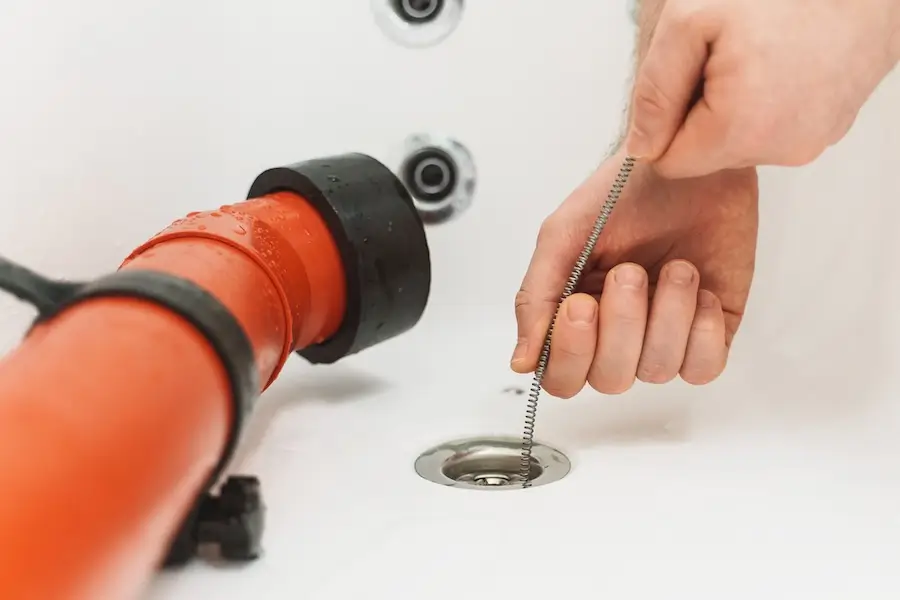
A simple everyday manual
🔹 What You’ll Need (Choose What You Have)
-
Plunger (sink or toilet type)
-
Baking soda
-
White vinegar
-
Kettle (hot water)
-
Drain snake / drain auger (optional)
-
Rubber gloves
-
Bucket & cloth
🔹 Method 1: Boiling Water (First Try)
✔ Best for grease & soap buildup
-
Boil a full kettle of water
-
Pour slowly into the drain
-
Wait 2–3 minutes
-
Test drainage
❗ Do not use boiling water on PVC pipes if you’re unsure — use hot (not boiling) water instead.
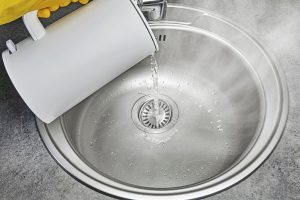
🔹 Method 2: Baking Soda & Vinegar
✔ Safe, chemical-free, effective
-
Pour ½ cup baking soda into the drain
-
Add 1 cup white vinegar
-
Cover drain (plug or cloth)
-
Wait 15–30 minutes
-
Flush with hot water
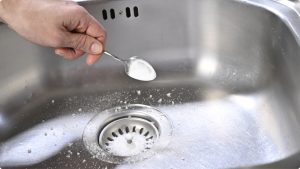
🔹 Method 3: Plunger
✔ Best for sinks, baths & showers
-
Fill sink with enough water to cover plunger cup
-
Seal overflow hole with cloth
-
Plunge firmly 10–15 times
-
Check drainage
-
Repeat if needed
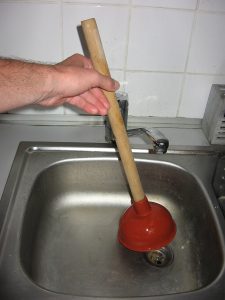
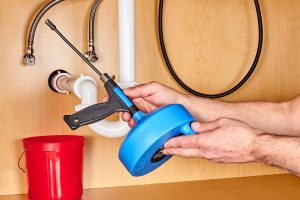
🔹 Method 4: Drain Snake (Stubborn Clogs)
✔ Best for hair & debris
-
Insert snake into drain
-
Rotate while pushing gently
-
Pull out debris
-
Flush with hot water
Wear gloves — it can get messy.
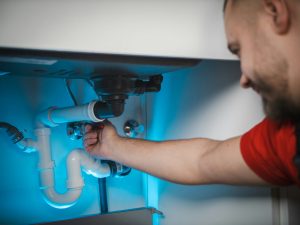
🔹 Method 5: Clean the Trap (Under Sink)
✔ Best when nothing else works
-
Place bucket under trap
-
Unscrew trap carefully
-
Remove buildup
-
Reattach and test
🔹 What Not to Do
❌ Don’t mix chemical cleaners
❌ Don’t overuse corrosive drain chemicals
❌ Don’t force tools down the drain
🔹 Common Causes of Clogs
| Location | Usual Cause |
|---|---|
| Kitchen sink | Grease, food scraps |
| Bathroom sink | Hair, toothpaste |
| Shower drain | Hair, soap |
| Floor drain | Dirt, debris |
🔹 Prevent Future Clogs
-
Use drain strainers
-
Avoid pouring grease down sinks
-
Flush drains weekly with hot water
-
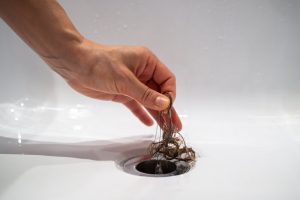
Clean hair traps regularly
✔ ExpressManual Tip
If water drains slowly, act early — small clogs are easier to fix than full blockages.